Susan McGahern
The Greatest Beer Run Ever: A Memoir of Friendship, Loyalty, and WarSusan McGahern’s life in John McGahern’s memoir is shaped by teaching, motherhood, and a faith that sustains her even as serious illness narrows her choices. Her story moves from the security of walking a country lane with her young son to the determined effort to secure a school and home nearer her relatives, and finally to a sickroom where family love cannot undo the loneliness of dying.
Identity and Early Life
When John McGahern was three, he lived with Susan and the narrator’s paternal grandmother in a small rented bungalow a mile outside Ballinamore. Susan taught at Lisacarn School with Master Foran. Her husband, Francis (Frank) McGahern, was a sergeant in Cootehall, twenty miles away; he came to the bungalow on annual leave and on the two days off he had each month, while the children spent long school holidays with him at the barracks.
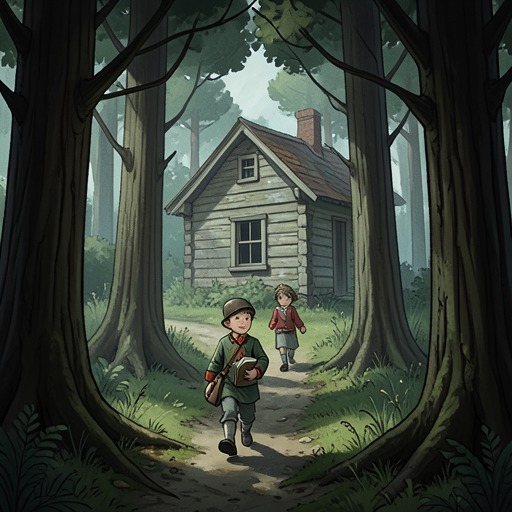
Susan’s daily walk to school with her son became one of his earliest memories of safety. The route passed a drinking pool for horses, house gates, and banks thick with wild flowers and wild strawberries. She named the flowers for him, and sometimes they stopped to pick them for jam jars. In wet weather they waited beneath trees for Master Foran’s car; in good weather they walked. Looking back, John describes the lane as a place where childhood happiness and a later, rare sense of peace could briefly become one. Susan’s companionship is inseparable from that remembered landscape.
Teaching, Illness, and a New Home
When Susan became seriously ill, her sister Maggie and her brother Pat McManus (uncle) set about finding her a permanent school closer to Ballinamore, where family could help. Beaghmore School, Cloone, and Carrigallen were too far away. While Susan was still in hospital, their efforts secured her a position at Aughawillan, a two-teacher school on a hill three miles from town. A house and farm at Corramahon, a ten-minute walk from the school, were also available. Though she was subsequently offered her former post at Lisacarn School, she chose Aughawillan.
The choice brought her into direct disagreement with her husband’s preference that she remain at Beaghmore, which John suggests may have been partly because it was farther from her relatives. In letters from hospital, Susan was generally conciliatory, but on the school she was firm: she did not need a substitute at Beaghmore; Aughawillan was what concerned her. Her plan was to teach there for one day as soon as she was allowed out of hospital, secure the position, arrange for a substitute, and return to the Mater Hospital in Dublin for further treatment. She was more deferential about whether the family should buy the Corramahon property.
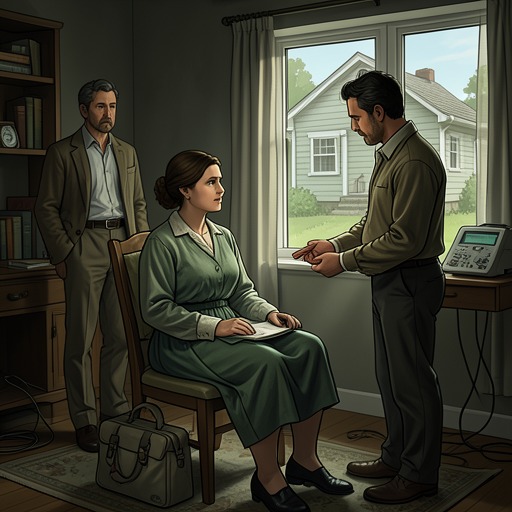
Francis wrote to a Dublin doctor to ask whether his wife should give up teaching and what her chances of recovery were. He had already sought medical advice at the beginning of her illness, but he did not share either report with Susan or anyone else. He went ahead and bought Corramahon, using the proceeds from the sale of his homeplace at Gowna to pay most of the cost. Susan first saw her new home during a brief release from hospital in September. She travelled by train to Dromod and stayed with Maggie and Pat McManus (uncle) in their Ballinamore shop. She did not visit the barracks, saying that it would be too hard to leave once she was there. Francis did not come to see her, although Cootehall was only eighteen miles away.
At eight o’clock on the morning the school reopened after the summer holidays, Pat McManus (uncle) drove Susan to the priest’s house in Aughawillan. He insisted on an offering of five pounds to secure the appointment, the same amount paid to the surgeon for Susan’s operation. Teachers were expected to make fixed payments to priests at Christmas, Easter, and on appointment; this unofficial payment was understood to be no less compulsory. Susan signed the necessary forms and went on to school. Her practical joke about being late for Mr McMurrough’s unpredictable hours was met by the priest’s reassurance that she was in plenty of time.
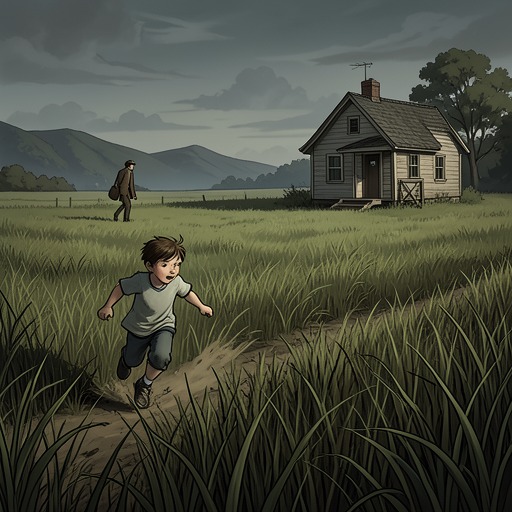
The new house was a stark contrast to her earlier home. It stood alone in a field and looked bare and uninhabited. After teaching for the day at Aughawillan, Susan faced its isolation before returning to the train and the continuing demands of treatment. The memoir sets this difficult beginning beside the work she later put into making the household and garden livable: when she felt well enough to be home, she spent good evenings among the flowers, giving the children separate tasks when they quarrelled. The garden’s reinforced fences made it seem like a small fortress in the surrounding wilderness; she planned to plant whitethorn slips and eventually make an arch above the gate.
Faith and Marriage
Susan’s faith was not merely a public observance. She understood the loss of her health as a test whose reason might be beyond her understanding, and placed her trust and prayer in God. John contrasts this inward reliance with Francis’s more outwardly demonstrative religiosity: in church he walked in his shining uniform to kneel in the front seat, while Susan slipped quietly into a seat at the back. Though both were religious, their practices expressed sharply different temperaments and forms of authority. Her faith, the memoir observes, could make her unreachable even to her husband when life became difficult.
The marriage was also marked by unequal access to information. Francis sought medical advice about Susan’s prospects without telling her of the reports, while she wrote from hospital about her school and the possible purchase of a home in a careful, conciliatory tone. Later, when she feared that the cancer might have returned, her stomach pain and recurring constipation and diarrhoea were treated by those around her as an unrelated illness from which she could recover if she tried. She asked Francis to write to the doctor in Dublin, a request he was reluctant to fulfill because he had already communicated with him secretly. The memoir does not disclose what was said during the couple’s final private conversation, but records its separation from the children: they were not allowed to accompany Francis to the gate, and Susan and her husband were never to see one another again.
Decline and Narrative Significance
As her health worsened, the first note of despair entered Susan’s letters. After several days in bed, she returned to school still suffering and wondered whether better weather and sunshine might help. John describes the social world around a dying person as one that keeps moving—people pour coffee, lay blocks, open windows, and collect refuse—while its ordinary happiness becomes unreachable. That reflection frames Susan’s experience: the family continued to manage school and household needs, even as her life was being diminished by illness.
The practical arrangements continued. Susan hoped that a substitute would allow her several weeks and then the long holidays to recover, but she was never to feel the rain again or see the roadside hedges bent low beneath it. Pat McManus (uncle) went from house to house seeking a substitute and found one at the first. A girl arrived by bicycle with tea and thin, buttered slices of bread and jam, taking Susan’s syllabus and notes so she could teach on Monday. The details register both the family’s effort to keep the school going and the ordinary routines that persist beside a grave illness.
At home, John sought time alone with his mother. After school he went upstairs to tell her the news, sitting on the edge of the bed or the low windowsill; when chores called him away, he returned as soon as he could. His sisters often raced to the room but soon went outside to play. The Rosary was now said in Susan’s bedroom, with Katie and the children kneeling around the bed. Her faith remained a source of strength, but it could not spare her the human pain of leaving those she loved and depended on, nor the isolation of having no one to whom she could communicate that pain after forty-two years among people who loved her.
Susan’s remembered presence is built from acts of attention: naming flowers for a small child, choosing a school despite pressure to stay elsewhere, tending a garden with her children, and receiving John in the sickroom. Against the memoir’s account of concealed medical information and the world’s habitual refusal to plan openly around the dying, these scenes preserve her not as an emblem of illness but as a teacher, mother, and decision-maker. The walk to school that once gave her son a sense of security returns as a measure of what the illness took from their shared life.